Fitness app
Pulse
A goal-focused fitness app designed around four retention milestones.
- Role
UX design, research and branding
- Timeline
Dec 2025 – Feb 2026
- Team
Solo, with a CareerFoundry mentor
- Tools
- Figma
- Figma MCP
- Claude Code
- Type
CareerFoundry final project · prototype
Problem
Users quit before the habit. Fitness apps lose people before a habit forms.
In a study of 389,481 Fitbod users, training consistently in the first 28 days was the strongest predictor of sticking with it (Conti et al., 2026). BEAT81 and Urban Sports Club sell access to classes. Pulse is built around the habit.
I designed Pulse around four milestones, each with its own job:
The first habit loop.
A routine. The first month predicts who stays.
A habit. Habits take a median of 66 days to become automatic (Lally et al., 2010).
Staying power.
Solution
Goal-based onboarding. Twelve screens. Screens 1–3 frame the app and learn your goal; 4–9 walk you through your first booking; 10–12 give the tour, ask for permissions and close.
- What Pulse is for, in three lines.
- Pick the goals that matter to you.
- Choose the activities; the plan follows.
- Your first booking, free to cancel.
- The best matches for your activities.
- Studios near you, with ratings.
- A slot that fits, with what's still free.
- Everything in one place before you book.
- Booked, and one tap to your calendar.
- What else Pulse does, in four lines.
- Notifications, asked for with a reason.
- In.




Pulse · onboarding prototype
01 / 12
- What Pulse is for, in three lines.
- Pick the goals that matter to you.
- Choose the activities; the plan follows.
- Your first booking, free to cancel.
- The best matches for your activities.
- Studios near you, with ratings.
- A slot that fits, with what's still free.
- Everything in one place before you book.
- Booked, and one tap to your calendar.
- What else Pulse does, in four lines.
- Notifications, asked for with a reason.
- In.
Tap the screen as you would in the app. Screens from the Figma file; only its real controls respond.
How it works
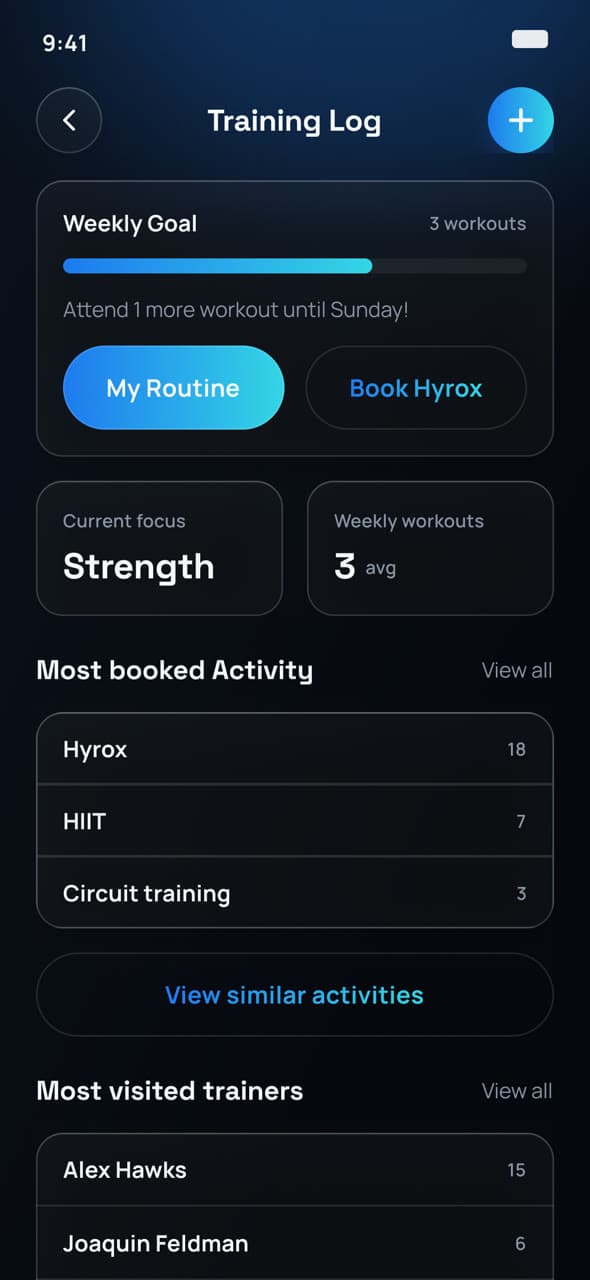
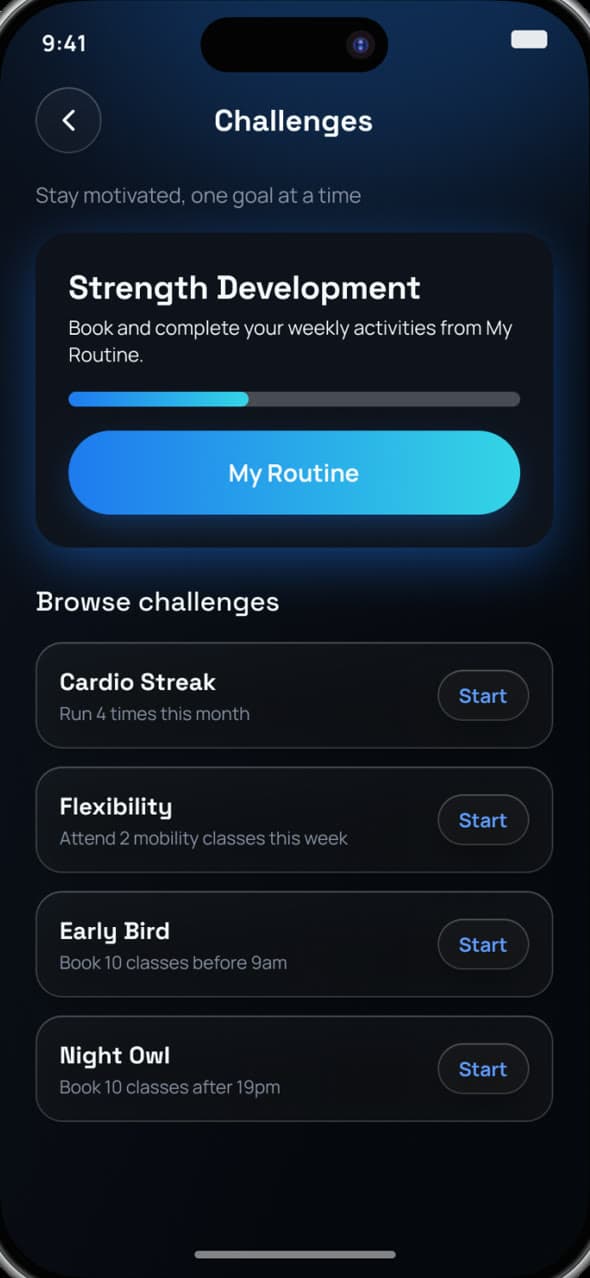
Challenges without pressure. Overview, reflect, progress: a Training Log for how sessions felt, and Challenges that are private, progress-based and unlimited.
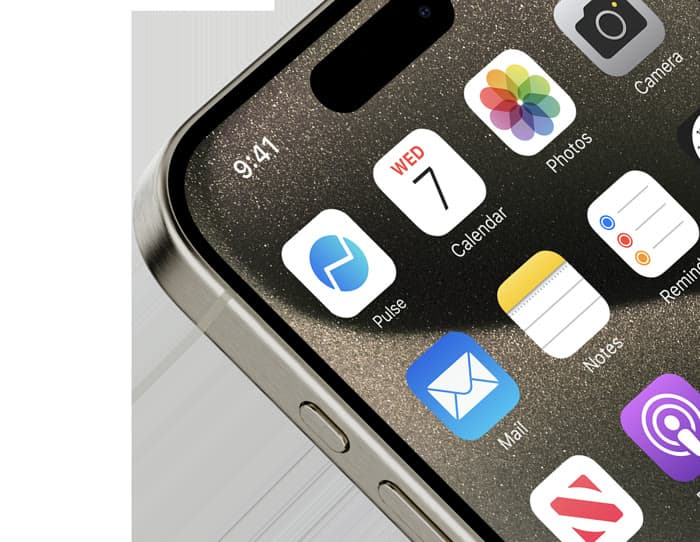
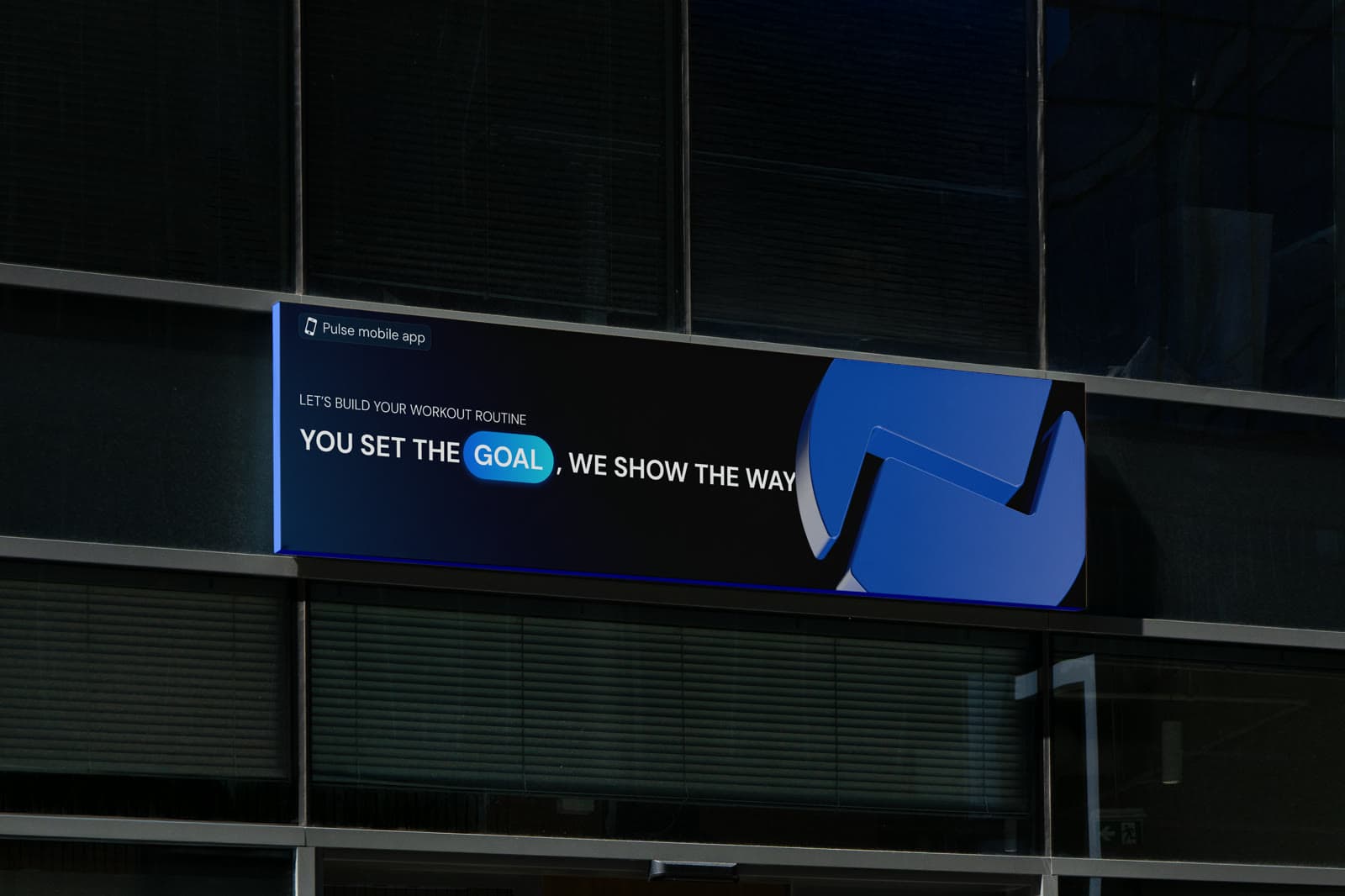
The brand carries the same promise: you set the goal, the app shows the way.

Challenges
- 01
The Injury Log read as medical advice
4 of 6 testersWhat happened4 of 6 testers took the Injury Log's results as medical advice: a liability risk.
What I didI removed the Injury Log and reframed it as the Training Log: progress and habit-building instead of analysis and guidance.
What it changedNothing in the app reads as medical guidance any more: the log tracks how sessions felt, milestones and progression.
- 02
People wanted to set a goal first
5 of 6 testers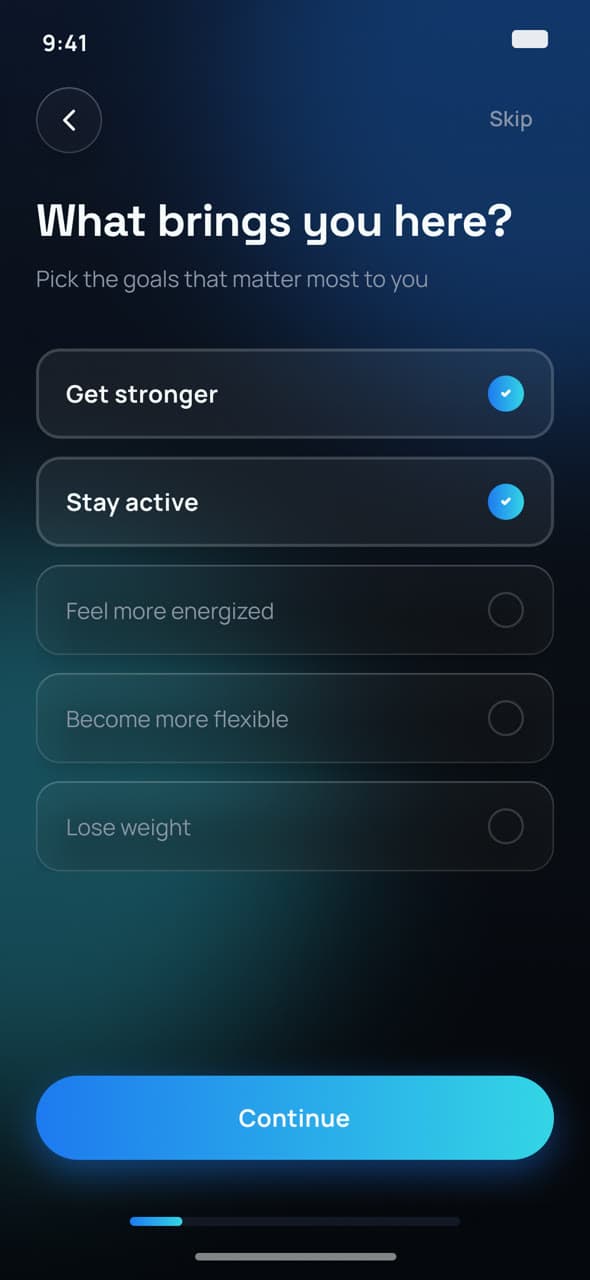 What happened
5 of 6 testers expected to set a goal during onboarding.
What I didI redesigned onboarding around goals, activity preferences and booking habits, before anything else.
What it changedThe goal-based onboarding shown above.
- 03
Challenges looked public
4 of 6 testers6 of 6 in round 2What happened4 of 6 testers thought Challenges were public.
What I didI gave each feature a one-screen introduction.
What it changedIn round 2, 6 of 6 testers understood that Challenges are private.
Impact
A tested prototype.After the fixes, 6 of 6 testers in round 2 (returning and new) completed every scenario task.